WeChat: 86-13735815206 / 86-17392256505
Phone: 86-29-88680837
Mail: sales@hlsolidscontrol.com
Add: Room 804, Building 1, Western Cloud Valley Phase II, Fengxi New Town, Xixian New District, Shaanxi Province
Drilling Mud Mixing Tanks: Essential Equipment for Efficient Mud Preparation
In oil and gas drilling operations, drilling fluid plays a critical role in cooling the drill bit, carrying cuttings to the surface, maintaining wellbore stability, and controlling formation pressure. To ensure drilling fluid performs effectively, operators rely on high-quality drilling mud mixing tanks for proper mud preparation and circulation.
Drilling mud mixing tanks are widely used in solids control systems, mud recycling systems, and HDD (Horizontal Directional Drilling) projects. They help drilling contractors achieve efficient mud mixing, stable fluid properties, and continuous drilling operations.
What Are Drilling Mud Mixing Tanks?
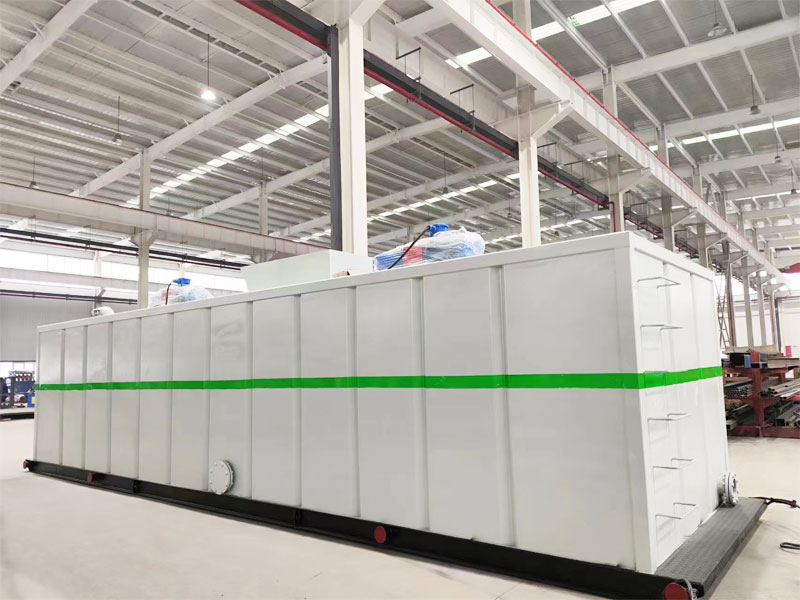
Drilling mud mixing tanks are specialized steel tanks designed for storing, mixing, and conditioning drilling fluids. These tanks are typically equipped with mud agitators, jet mud mixers, mud guns, pumps, and pipeline systems to ensure drilling additives are evenly blended into the drilling fluid.
The tanks are usually integrated into a drilling solids control system and connected with equipment such as:
- Shale shakers
- Desanders
- Desilters
- Mud cleaners
- Decanter centrifuges
By maintaining proper mud properties, drilling mud mixing tanks help improve drilling efficiency and reduce operational problems.
Main Functions of Drilling Mud Mixing Tanks
Mud Preparation
The tanks allow operators to mix bentonite, polymers, barite, and other drilling additives into the drilling fluid quickly and uniformly.
Mud Storage
Mixing tanks temporarily store prepared drilling fluid before it enters the circulation system.
Continuous Fluid Agitation
Mud agitators and mud guns prevent solid particles from settling at the bottom of the tank.
Support for Solids Control Systems
Mud mixing tanks work together with solids control equipment to maintain stable drilling fluid performance.
Mud Density and Property Control
Proper mixing ensures accurate mud weight, viscosity, and chemical balance during drilling operations.
Main Components of Drilling Mud Mixing Tanks
A complete drilling mud mixing tank system typically includes several important components.
Tank Body
The tank body is manufactured from high-strength steel plates with corrosion-resistant coatings to withstand harsh drilling environments.
Mud Agitator
Mud agitators continuously stir the drilling fluid to maintain uniform mud properties and prevent sediment accumulation.
Jet Mud Mixer
A jet mud mixer combines a centrifugal pump with a mixing hopper to rapidly shear and mix drilling additives into the fluid.
Mud Gun
Mud guns provide supplementary agitation inside the tank and help eliminate dead corners where solids may settle.
Centrifugal Pump
Centrifugal pumps transfer drilling fluid between tanks and solids control equipment.
Walkways and Handrails
Safety walkways and handrails provide convenient access for operators during inspection and maintenance.
Electrical Control System
The electrical system controls agitators, pumps, and monitoring equipment for safe and efficient operation.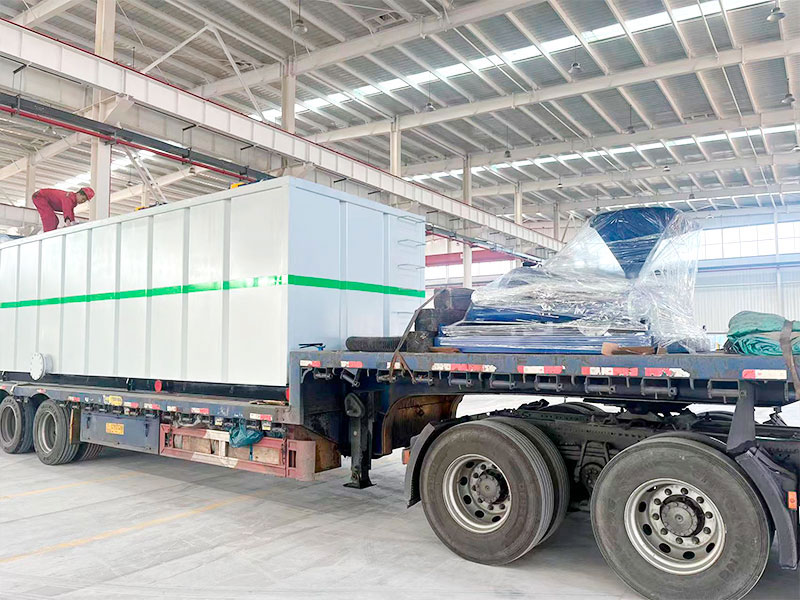
Types of Drilling Mud Mixing Tanks
Different drilling projects require different tank designs and configurations.
Rectangular Mud Mixing Tank
The most common design used in oilfield drilling and solids control systems.
Cylindrical Mud Mixing Tank
Often used for fluid storage and specialized drilling applications.
Skid-Mounted Mud Tank
Designed for easy transportation and rapid installation at drilling sites.
Trailer-Mounted Mud Mixing Tank
Frequently used in HDD and mobile drilling projects.
Offshore Mud Mixing Tank
Designed with compact structures and enhanced corrosion resistance for offshore drilling environments.
Advantages of Drilling Mud Mixing Tanks
Improve Mud Mixing Efficiency
Efficient mixing systems ensure drilling additives disperse quickly and evenly throughout the drilling fluid.
Maintain Stable Mud Properties
Continuous agitation prevents solids settling and keeps mud density stable.
Reduce Drilling Problems
Properly mixed drilling fluid helps minimize wellbore instability, stuck pipe, and fluid loss issues.
Lower Operating Costs
Efficient mud recycling and conditioning reduce drilling fluid consumption and waste disposal costs.
Enhance Solids Control Performance
Well-conditioned drilling fluid improves the efficiency of shale shakers, desanders, and centrifuges.
Drilling Mud Mixing Tanks in HDD Projects
In HDD (Horizontal Directional Drilling) applications, drilling mud mixing tanks are essential for maintaining drilling fluid circulation during trenchless operations.
HDD mud systems often require:
- Compact tank structures
- Mobile skid or trailer-mounted designs
- Fast mud mixing capability
- Efficient recycling systems
These systems help contractors maintain stable borehole conditions while reducing drilling fluid consumption.
Key Design Considerations
When selecting drilling mud mixing tanks, operators should consider several important factors.
Tank Capacity
Tank volume should match drilling depth, circulation requirements, and rig size.
Agitation Performance
Proper agitator configuration ensures complete fluid mixing and prevents dead zones.
Material Quality
High-quality steel and anti-corrosion coatings improve durability and service life.
Modular Design
Modular tank systems simplify transportation, installation, and maintenance.
Environmental Requirements
Modern drilling operations increasingly require closed-loop systems to reduce waste discharge and environmental impact.
How to Choose the Right Drilling Mud Mixing Tank
Before purchasing a drilling mud mixing tank system, drilling contractors should evaluate:
- Drilling project type
- Required mud volume
- Solids control configuration
- Transportation conditions
- Climate and operating environment
- Automation requirements
- Available rig space
Customized mud tank systems are often recommended for large or complex drilling projects.
Future Trends in Drilling Mud Mixing Tanks
Modern drilling mud mixing tanks are evolving toward:
- Automated control systems
- Intelligent monitoring technology
- Energy-saving designs
- Closed-loop environmental systems
- Faster mixing efficiency
- Compact modular structures
These improvements help drilling companies reduce labor costs, improve drilling performance, and comply with stricter environmental regulations.
Conclusion
Drilling mud mixing tanks are a vital part of modern drilling fluid systems. They ensure proper mud preparation, stable fluid properties, and efficient drilling operations in both oilfield and HDD projects.
A well-designed mud mixing tank system helps drilling contractors improve drilling efficiency, reduce equipment wear, lower operational costs, and maintain reliable solids control performance.
For high-quality drilling mud mixing tanks, jet mud mixers, mud agitators, and complete solids control systems, visit HL Petroleum Official Website to explore customized drilling equipment solutions for oilfield and HDD applications.